Foundation raising in Fort Dodge IA - piers that bring your house back toward level
Sticking doors, sloping floors or a new crack in the wall? We set steel piers under the house and lift it back toward level.
How do you raise a house that has settled?
Foundation raising in Fort Dodge means setting steel piers into the ground under the part of your house that's sunk, fixing a bracket on each one to carry the footing, and lifting the house back toward level so it's less likely to keep settling.
Most people call us after a door stops latching, a floor starts rolling toward one corner or a stair-step crack opens in the block wall. The price depends on how much of the house has dropped, how many piers it takes to carry it, which pier type your foundation calls for and what sits in the way of the digging, like a patio or a driveway along the wall. The schedule depends mostly on the permit and on what we find once the soil is open, because nobody knows how deep the good ground is until a pier goes down. I come out, look at it myself and write up the estimate so you can see exactly what's included before you decide.
How we handle foundation raising on your house
I start by looking at your foundation type and at how heavy the house is, because those two things decide whether push piers or helical piers will do the job. Then we dig down along the settled wall, set the piers one at a time until they bear on firm soil, fix a steel bracket to each one under the footing and lift slowly while we watch the floors, walls and doors inside. We aim to bring the house back toward level without forcing it, since lifting too far can crack things that were fine. Once the lift is set, we backfill the holes, pack the soil back in and clean up.
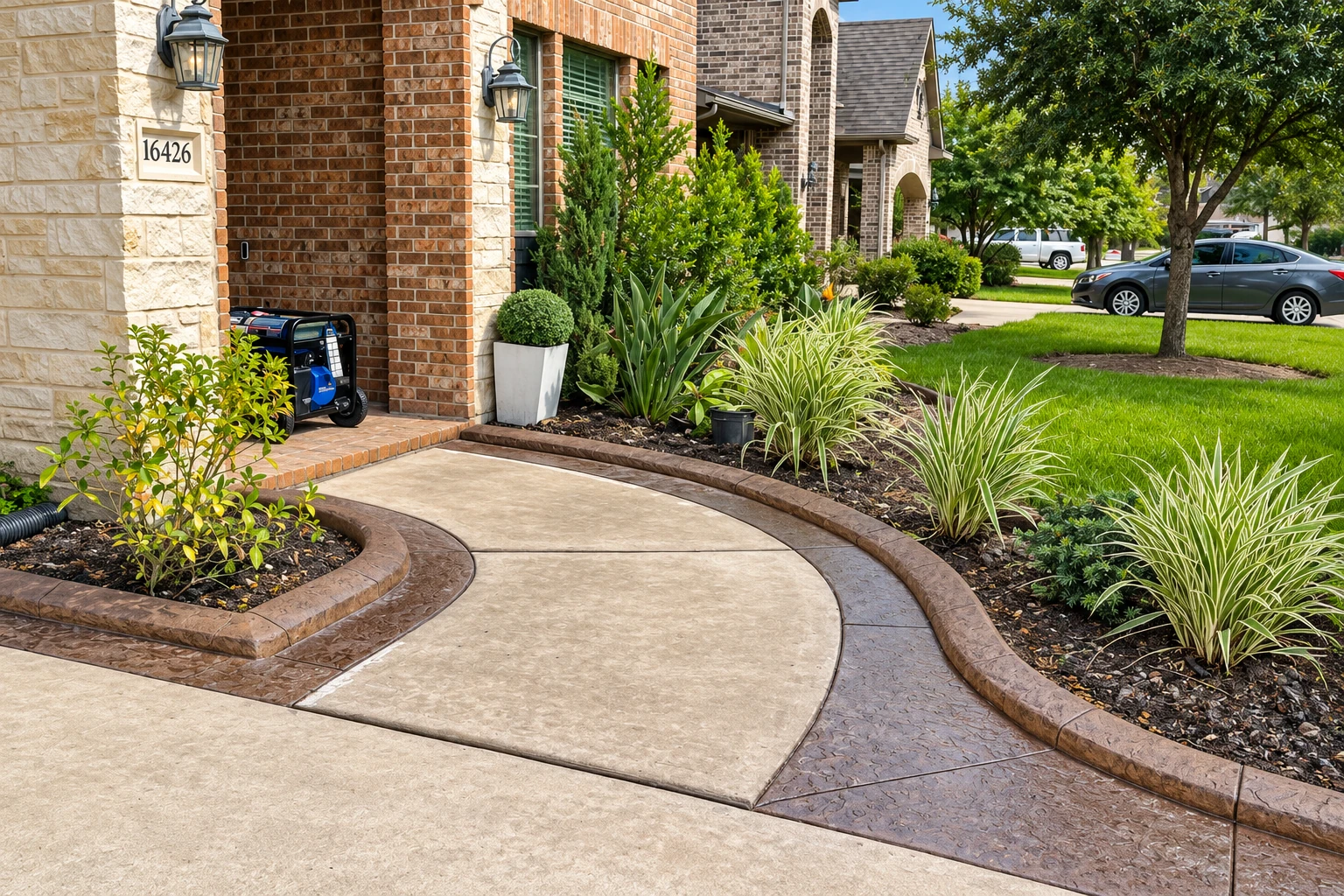
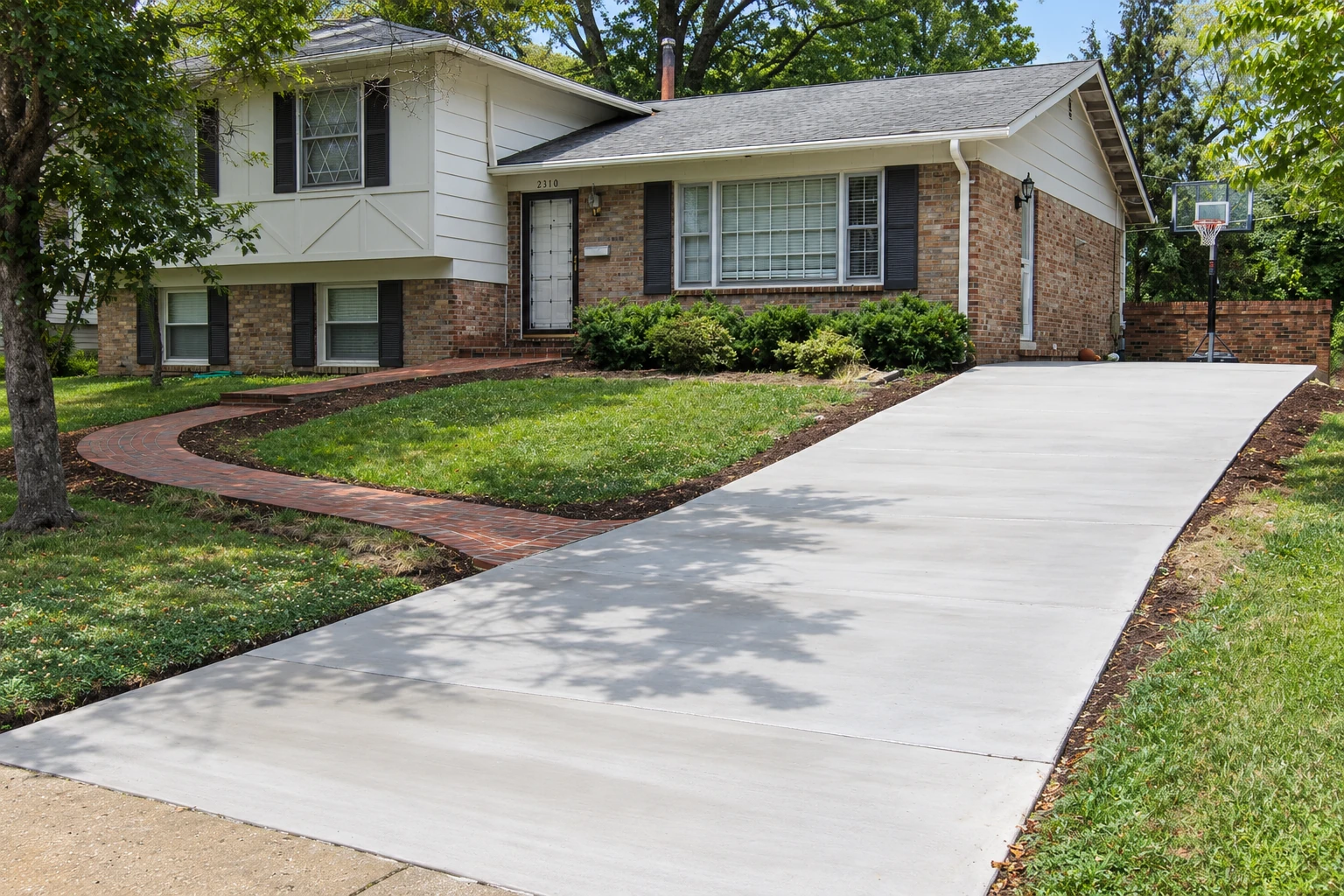
If a step, walk or patio runs tight to the settled wall, we may use concrete cutting to take out a clean section so we can dig, rather than breaking up more than we have to. When the driveway has sunk or cracked along with the house, we can pour a new one after the lift through our concrete driveway building work, on a base that's dug out and packed so it doesn't follow the old one down.
Push piers for heavier houses
Push piers usually suit a house with a basement or a frost foundation, because the weight of the house is what gets them down to good soil. That's also their limit, since a lighter structure can start to lift before the pier reaches firm ground.
Helical piers for shallow footings and slabs
A shallow footing or a slab with a thickened edge, one poured deeper around the outside to carry the walls, often needs helical piers. They don't rely on the house's weight to go in, so they work under lighter buildings that would stall a push pier.
Whole-house elevation is a bigger job
Raising a whole house is a separate, much larger project, where most homes come off the foundation on hydraulic jacks and sit on temporary supports while a new or extended foundation gets built underneath. FEMA's guide for homeowners says a design professional should inspect the home first, because lifting an unsound house can lead to expensive damage.
Foundation raising in Fort Dodge: permits, rivers and soil
Before we lift anything in Fort Dodge, we work out with the city which office handles your project, because the city tracks building improvements through permits and its Inspections Department, at 515-576-4551 x1251, helps sort out what a job needs. The city decides whether your pier work needs a permit, so we ask instead of guessing, and if it does, we take care of the application or help you with yours. Getting it in hand first matters here, since the city doubles the fee when a permit isn't issued before work starts. If your house sits in a flood plain or near a river or stream, the Iowa DNR says federal, state and local permits are required before construction, with exceptions for some projects on very small streams, so tell us early.
A lot of Iowa ground is loess, a fine silt known to be prone to collapse, and it's one reason a corner of a house can drop after years of roof water soaking in along the wall. That's why the piers go down past the soft layer to firmer soil, and why I check where your downspouts and yard send the water before we lift. We're based in Fort Dodge and see the same ground on jobs in Webster City and the cities around it.
Pier and foundation work
Why call us for foundation raising
I write the estimate myself
I come out, look at your foundation and the house above it, write the estimate myself and then work the job with our crew. The person who told you how far we'd lift is the one standing at the jack when it happens.
Learned here, on our own since 2023
I spent years as the right hand to another concrete contractor here, setting forms, running pours and fixing jobs other people rushed, before I went out on my own in 2023. Those fixes are why I slow down on the parts you can't see, like how deep the piers go.
Licensed and insured for your job
Iowa requires every contractor to register with the state before doing construction work, and in Fort Dodge the city also tests and issues contractor licenses. We're licensed and insured, and you're welcome to ask about it when I'm out for the estimate.
Every question answered before you sign
Before you sign off, I walk you through which piers we're using, where they go and what we expect from the lift. No question is a bother, because you should know exactly what you're getting before any dirt moves.
On a lift, what counts is patience at the jack and piers resting on good ground. If your house has started to settle, send us a few details or call (515) 417-2702 and I'll come take a look.
(515) 417-2702Get a written foundation raising estimate for your house
We'll reply within one business day to set a time, and I'll come out to look at your foundation and write a free estimate on site. It comes with no obligation, so you can read through what's included and decide on your own time.
Questions about raising a foundation in Fort Dodge
What is the difference between push piers and helical piers?
The difference is mostly in how they go in. Push piers are driven down hydraulically using the weight of the house as resistance, while helical piers are screwed in with a hydraulic torque motor. Once installed, both carry the house in much the same way, so we pick the one whose installation suits your foundation.
How much does foundation raising cost in Fort Dodge?
It comes down to your house, so I give you a written figure after seeing it rather than a guess over the phone. The number of piers, how deep they have to go to find firm soil and any concrete we need to cut out and replace to reach the footing are what move it most.
Can we stay in the house while the foundation piers go in?
Usually, yes. Most pier installations let the household stay home, though you'll hear noise, feel some vibration and see crew working around the outside of the house. We'll let you know where we're digging so you can keep cars and kids clear.
Can an old house be lifted back to perfectly level?
Often not, and with an older home or a bad settle it sometimes isn't even a good idea, because over-lifting can cause new damage. Years out of level let the frame, plaster and floors adjust, so pushing them all the way back can crack what's fine now. We lift until the house is close and carried on the piers, and stop there.
How long does foundation raising take on a typical house?
I can't put a fair number on it until I've seen the house, because the count of piers, the depth to firm soil and the permit all set the pace. The lift itself is slow on purpose, since we raise a little at a time and watch the inside as we go.
How do I get ready for a foundation raising estimate?
Walk the house and note where doors stick, floors slope or cracks have opened, and take photos if you can. Clear a path along the outside of the settled wall so I can see the ground there. If you remember when the cracks first showed up, that helps me tell whether it's still moving.
Talk with Fort Dodge Concrete about your settled house
Call (515) 417-2702 and tell us your foundation type and whether you're near a river or stream, so I come out ready.